Nobody Wants a Story They Didn't Ask For
Chinese brands often respond to weak overseas sales by telling their story louder. But unfamiliar buyers usually need proof of product reliability, support, and local commitment before they are ready to care about the story.

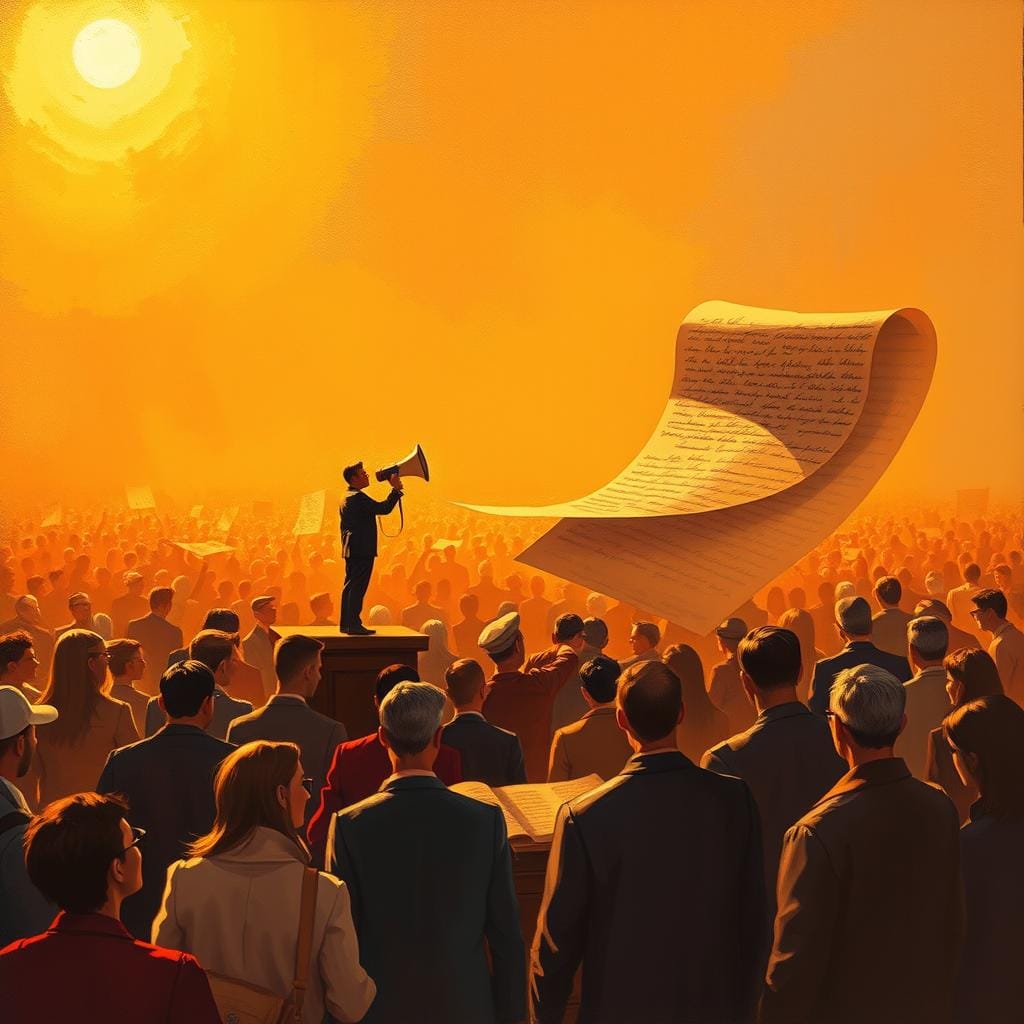
I have seen the same postmortem many times in China-to-global expansion. The product is good, but sales abroad are flat. After a few rounds of discussion, the team reaches a familiar conclusion: “We have not told the China story well enough.”
The budget then moves toward a brand film, a heritage deck, five thousand years of craftsmanship, or the founder’s struggle. All of it is addressed to people who never asked.
This is often a misdiagnosis. The product may indeed be good, but the company is asking a story to create the trust that would make someone interested in the story. Chengyi Lin, an associate professor of strategy at INSEAD, has a concise way to describe the problem: cultural influence travels by pull, not push.
April Dunford offers a clue as to why. In Sales Pitch, she argues that buyers are often much less worried about missing out than about messing up. A story can create desire by showing people what they might miss. But a North American buyer looking at an unfamiliar Chinese brand is usually asking more practical questions. Will the product fail? Can I reach someone if it does? Will this company still be here next year? A moving story is not much help with any of these. The buyer needs something they can check.
Sometimes the problem is worse because the story slot has already been taken. TikTok’s identity in the United States, for example, has been shaped heavily by a political story about national security. Once other people control the frame, louder claims about the rise of Chinese brands can make their version sound more plausible.
When that happens, improving the story is the wrong task. The brand first has to earn a position from which the market is willing to listen.
That position is built from things other people can check for themselves.
Anker did this mainly through products and an English-language presence. Customers encountered the brand through chargers, reviews, customer support, community discussion, and direct interviews with its founder. The company’s origin was available to anyone who cared to look, but it was not the first reason a customer had to believe the product would work.
Geely’s entry into Mexico shows the same idea in a more physical form. It established a local subsidiary instead of relying only on a national distributor, built a dealer network, hired local staff, and tested cars on Mexican roads. A buyer cannot verify a company’s sincerity. A buyer can see whether it has people, stores, parts, and money committed to the market. Those investments say something a brand film cannot: leaving would be costly.
Brand stories can still matter. They tend to matter later.
In a few categories, origin is already part of the product. The region on a wine label affects how a buyer judges quality and authenticity, so the story belongs near the beginning. Most Chinese brands entering a new market are in a different position. Their origin does not yet help the customer make the purchase. Leading with it asks the story to do a job that belongs to the product, service, and local operation.
Once those things have made the company credible, its history and beliefs become easier to hear. The story can then explain a trust that already exists instead of trying to manufacture trust on its own.
“Pull, not push” is best understood as an order of operations. After a weak launch, look first at the evidence available to a buyer. Could they verify product reliability, support, and local commitment? If those things are missing, a new story merely moves the marketing budget around. If they are present, the company may finally have a story people want to hear.
Adam Yang | 10+ years in China-to-global expansion, focused on how Chinese brands build trust in North America.
Sources: Chengyi Lin, “Four mindset upgrades for Chinese companies going global” (HBR China, Chinese); April Dunford, Sales Pitch; Wang Jingyi, “Selling Chinese Cars in Mexico” (36Kr, Chinese); Anker founder Steven Yang on building a direct-to-consumer business.